

Intro
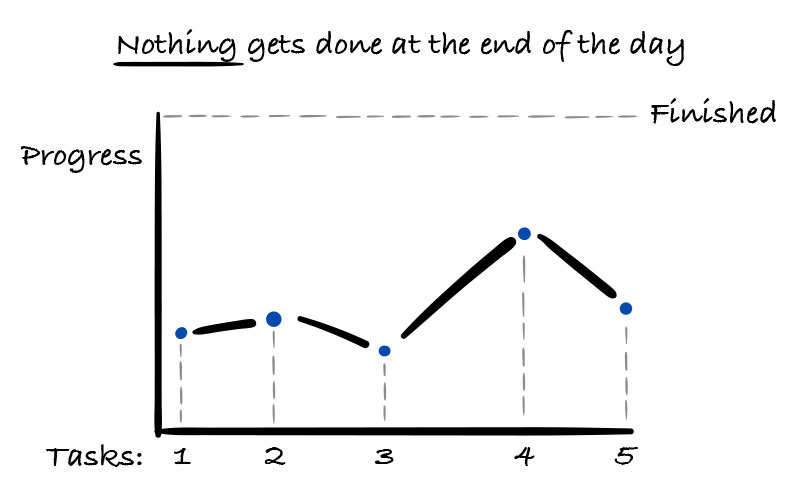
There are many productivity killers in our industry and one of the worst is context-switching. Many times we are interrupted or distracted by a certain thing like changing of priorities, meetings or we just lose focus.
It takes over 20 minutes to get back on track with a task after being interrupted.
I have asked Eugene Shulga, a seasoned Engineering Leader and VP of Technology at Telnyx to give us his insights on how to deal with context-switching!
He has quite a similar story that I do. He started as an engineer and grew to become a manager and currently VP of Technology. He is sharing tips from his own experience as a:
software engineer,
manager and
manager of managers.
Let’s get straight to them next!
As a software engineer, it’s really important to have bigger blocks of focus time.
When I worked as a software engineer, being focused played a big part in my role. I was able to focus for 4-6 hours on average. I learned the following principles to reduce distractions and increase my focus time:
Clear priorities
I knew what I had to do every single day and spent most of the time making that happen. My success metric was around scoping and delivering features. Everything else was secondary. I avoided multitasking and shifted tasks based on the changed priorities.
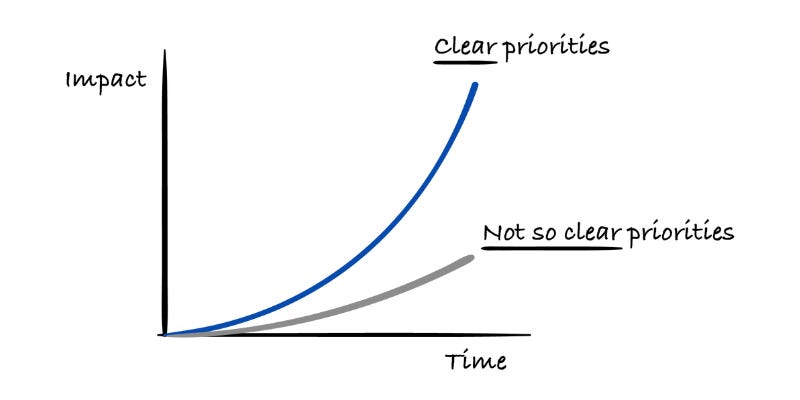
I regularly reviewed and adjusted my priorities to reflect changing needs and ensure that I’m focusing on the most critical tasks. This approach helped me to maintain focus and efficiency.
I learned to deal with ad-hoc requests
I figured that most of the communication, calls, and other “distractions” happened before and after lunch. I reserved lunchtime to address all unexpected tasks to minimize disruption to my main projects.
I also created 2 focus windows:
Before the standups early morning.
In the afternoon after the EU goes offline.
I blocked my calendar for focus work
I softly blocked my calendar for focus work. I left the busiest office hours open for scheduling and used them for handling unplanned tasks. My day was split into 4 blocks:
Early morning focus time
Meetings, unplanned tasks, lunch
Afternoon focus time
Late afternoon shallow work