


Intro
I’ve mentioned this in the previous article → I didn’t enjoy programming in high school and actually, I was quite bad at it, because it wasn’t my interest at the time.
But once I started learning JavaScript a couple of years later and building things with a visual outcome on the screen → I got hooked and was learning whole days and nights!
You can learn and become better at anything with enough focus and grit. No matter how good or bad you may think you are in that particular thing right now.
Especially, communication is something that I see a lot of engineers struggling with and it’s just going to be more and more important skill as time goes on.
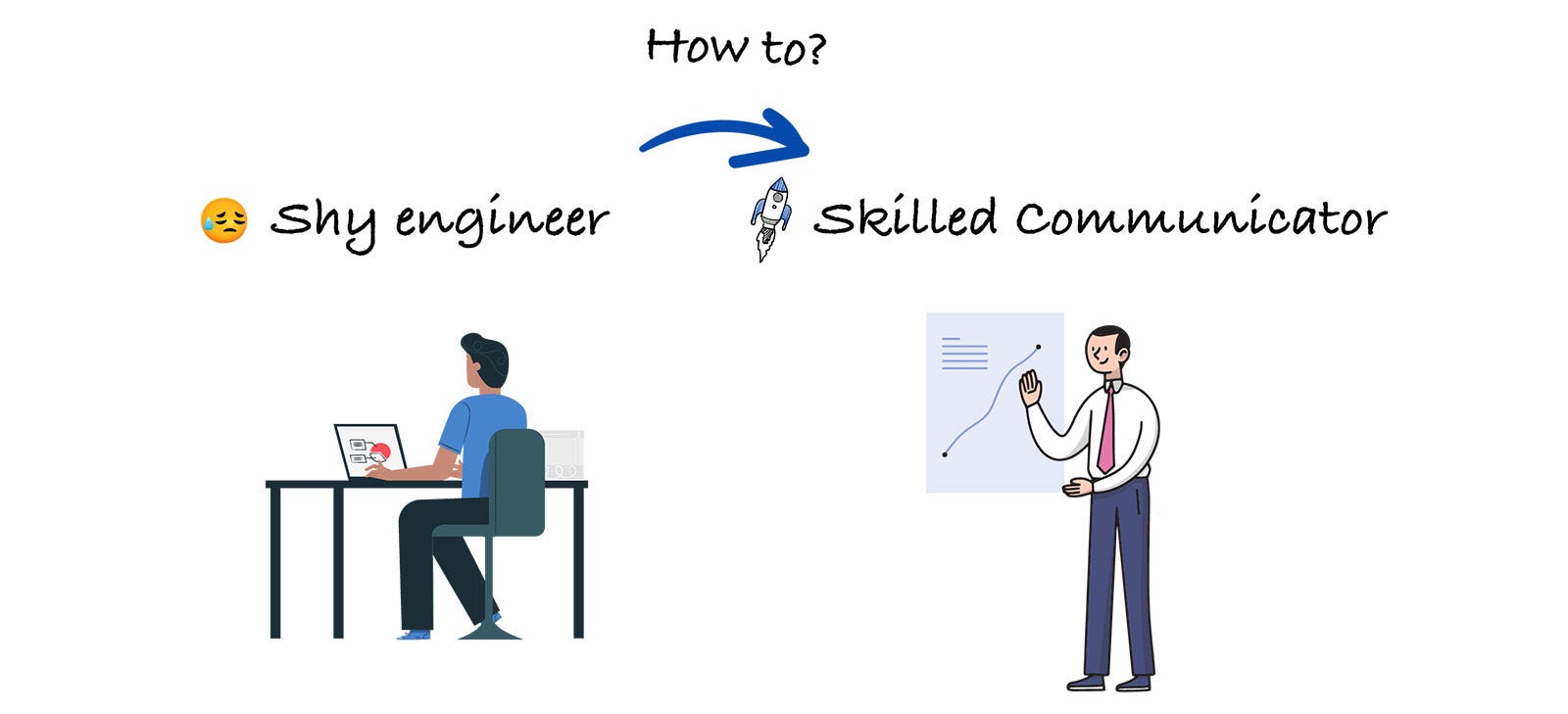
Pramoda Vyasarao, our guest author for today’s article, is a great example of that. He went from a shy engineer struggling to speak up in meetings to a Director at Oracle and a skilled communicator.
And today, he is sharing his full story with us!
Introducing Pramoda Vyasarao
Pramoda Vyasarao is a leadership and communication coach with over 20 years of experience in the tech industry. In his career, he grew from an engineer all the way to Director at Oracle and later also worked at Meta as a Head of Data Engineering.

Pramoda is teaching a popular course on Maven called Communication Engineering, where he helps everyone to improve their communication and leadership skills.
Check out the course, the cohort starts on September 6.
1. Struggling to Be Heard
I joined Oracle India in Bengaluru as a software engineer in October 2002. I loved coding and landed my dream job at a campus recruitment drive after obtaining a master's degree in computer science.
English was my third language. At home, we spoke Kannada, and I began learning Hindi at age 9. I didn’t know how to write the English alphabet until I was 11.
This hindered my speaking ability, a common challenge for many whose first language isn't English. In my case, it was worse. It rattled my confidence.
Non-technical colleagues often didn’t understand my explanations, which was sometimes frustrating. I had many great ideas, but I couldn't express them on conference calls (no video conferencing tools were available yet in 2002!).
I was like a fly on the wall, listening quietly in meetings, barely noticed, and slipping out when it ended.
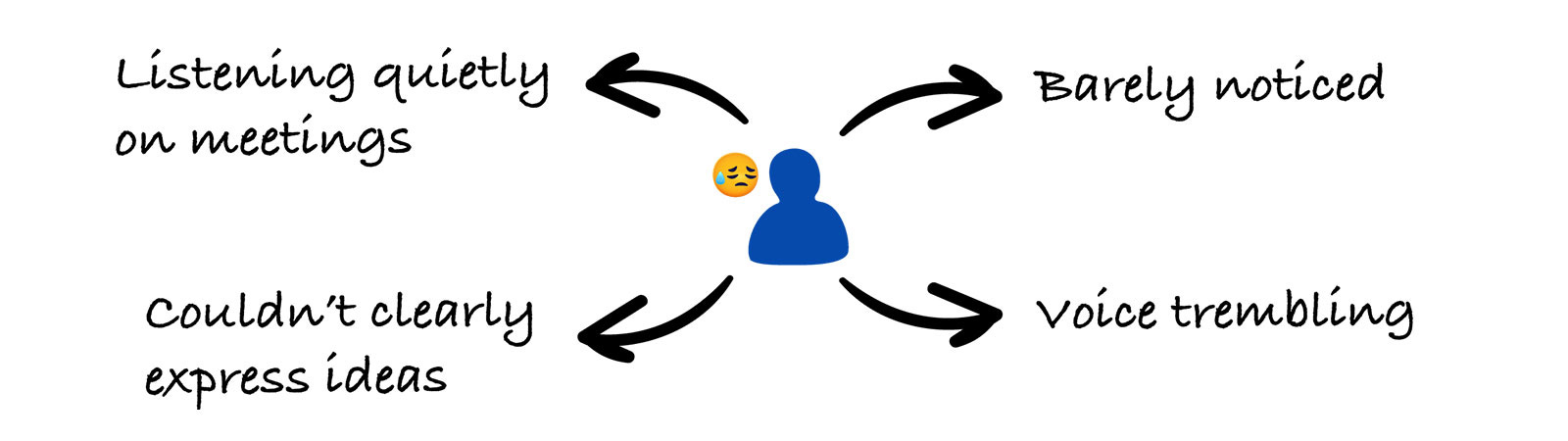
I was good at writing, but impromptu discussions and sharing ideas in a conversation were the missing links. I would freeze in front of any audience.
I felt a knot in my tongue, a lump in my throat, and my voice trembled in such situations. I started reading self-help books on communication and public speaking, but nothing changed.
We build muscles by lifting weights, not watching them. I was just watching. For things to change, I had to act. I desperately wanted to change, but I didn’t know where to start.
The first step toward change is awareness. The second step is acceptance.
— Dr. Nathaniel Branden
Try this:
Reflect on this question: “What’s my weakest link in leadership?”
Write your answers. If you get multiple answers, find the most important one to change
The longer you wait, the stronger fear grows. Start now.
2. A Door Opens to Transformation
One of my colleagues recommended that I attend a Toastmasters club meeting. Toastmasters is a non-profit public speaking organization. Oracle’s club meetings were held every Thursday.
I went for a session out of curiosity, and it was a transformative experience. I loved three things about the 90-minute meeting that day.
A word-of-the-day with conversational examples, along with synonyms and antonyms.
A grammarian who would correct people’s mistakes without mentioning names or looking at them.
A section for impromptu speaking is called Table Topics. This allowed people to speak on a topic for 1 to 2 minutes.
Most of all, it was refreshing to see so many other engineers, managers, and PMs in that meeting who were on a quest for self-improvement and wanted to become better communicators and leaders.
It was a place where mistakes were not just tolerated, but celebrated and learned from. It’s rare to see grown-up people learning by making mistakes.
I signed up as a club member that same day!
It was a wonderful place for learning and networking, and I built strong connections with engineering managers and staff engineers who later became my speech mentors.
Imagine a 15-year tenured manager mentoring a new grad engineer at no cost. It was a real privilege!
Never doubt that a small group of thoughtful, committed citizens can change the world; indeed, it's the only thing that ever has.
— Margaret Mead
Try this:
Explore the Toastmasters International website.
Find a club; some conduct online meetings.
You are welcome to attend club meetings as a guest.
3. Earning My Voice, One Speech at a Time
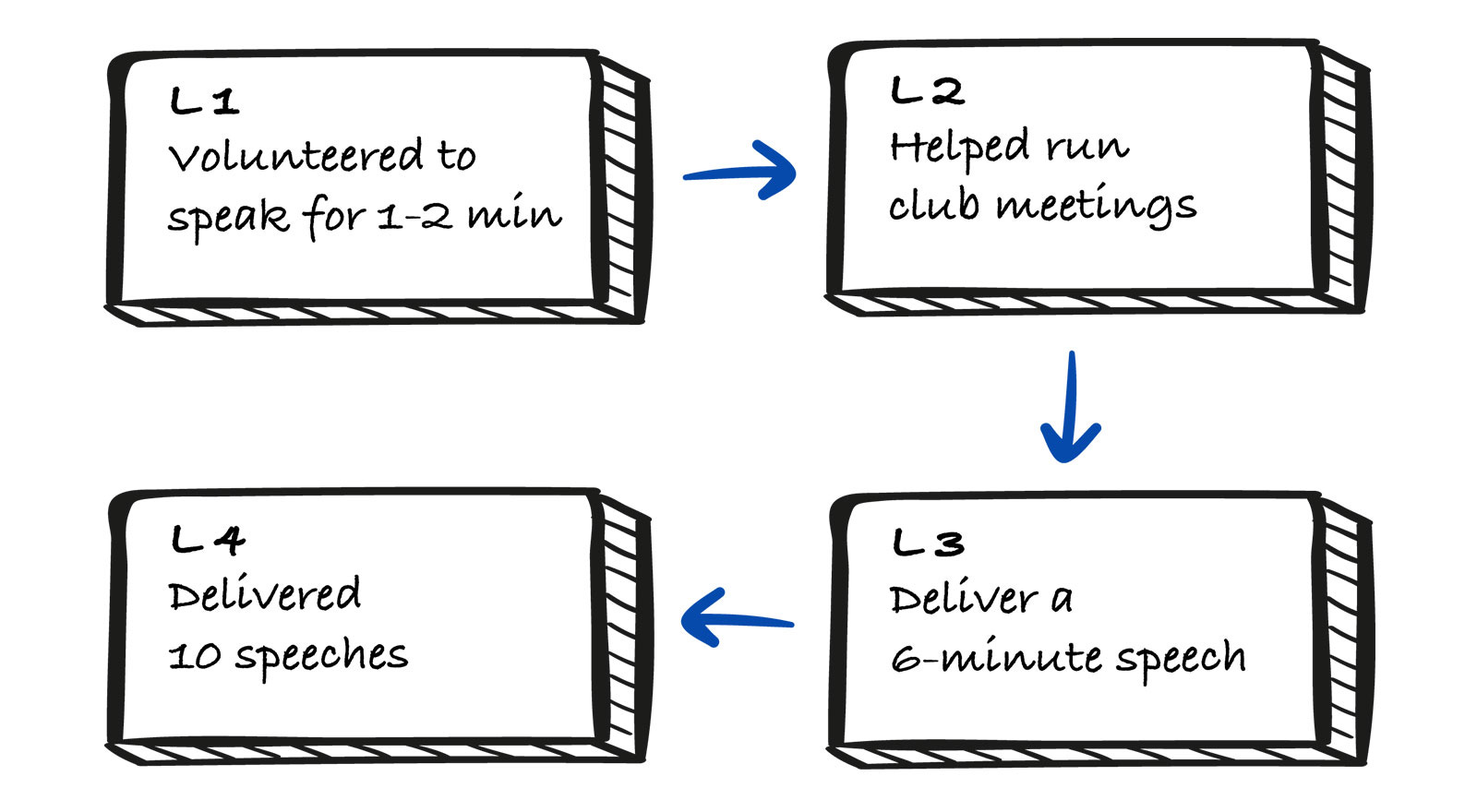
Between 2003 and 2007, I attended weekly Toastmasters meetings. During these four years, I leveled up in four phases. I took one step at a time on this four-rung ladder.
It was like a four-year degree in communication and leadership → a degree in Communication Engineering.
Level 1: I volunteered to speak on table topics for 1 to 2 minutes to face the audience and talk.
Level 2: I took meeting roles that needed a bit of prep work and helped run club meetings.
Level 3: After 90 days, I mustered the courage to deliver a 6-minute speech. The goal of this speech was to introduce myself to the club members. I continued to give one speech every month.
Level 4: After two years of repeating the above three, I had delivered 10 speeches. Then, I proceeded to the advanced tracks, including storytelling, sales, professional speaking, and humorous speaking.
By 2007, I had delivered over 40 speeches in various settings, including clubs and contests. I had also become more effective at leading meetings, sharing ideas, summarizing key points, and providing constructive feedback to others.
I assisted other Oracle business units in Bengaluru in establishing their own Toastmasters clubs, serving as a club mentor and advisor to them.
The results were evident. I became a great collaborator and was promoted twice during that time. I was visible at work, articulate in meetings, and content with my life.
I was one of those very few articulate engineers. Software engineering, systems thinking, communication, and leadership form a rare combination of career capital. My managers were thrilled at my growth.
These skills helped me move beyond coding and explore roles like product manager and enterprise data architect. Later, I began leading a small engineering team.
Most people overestimate what they can do in one year and underestimate what they can do in ten years.
— Bill Gates
Try this:
Reflect on this question: “What do I want to excel at?”
Are these skills rare and valuable?
Can you write a multi-year plan for this skill development?