Intro
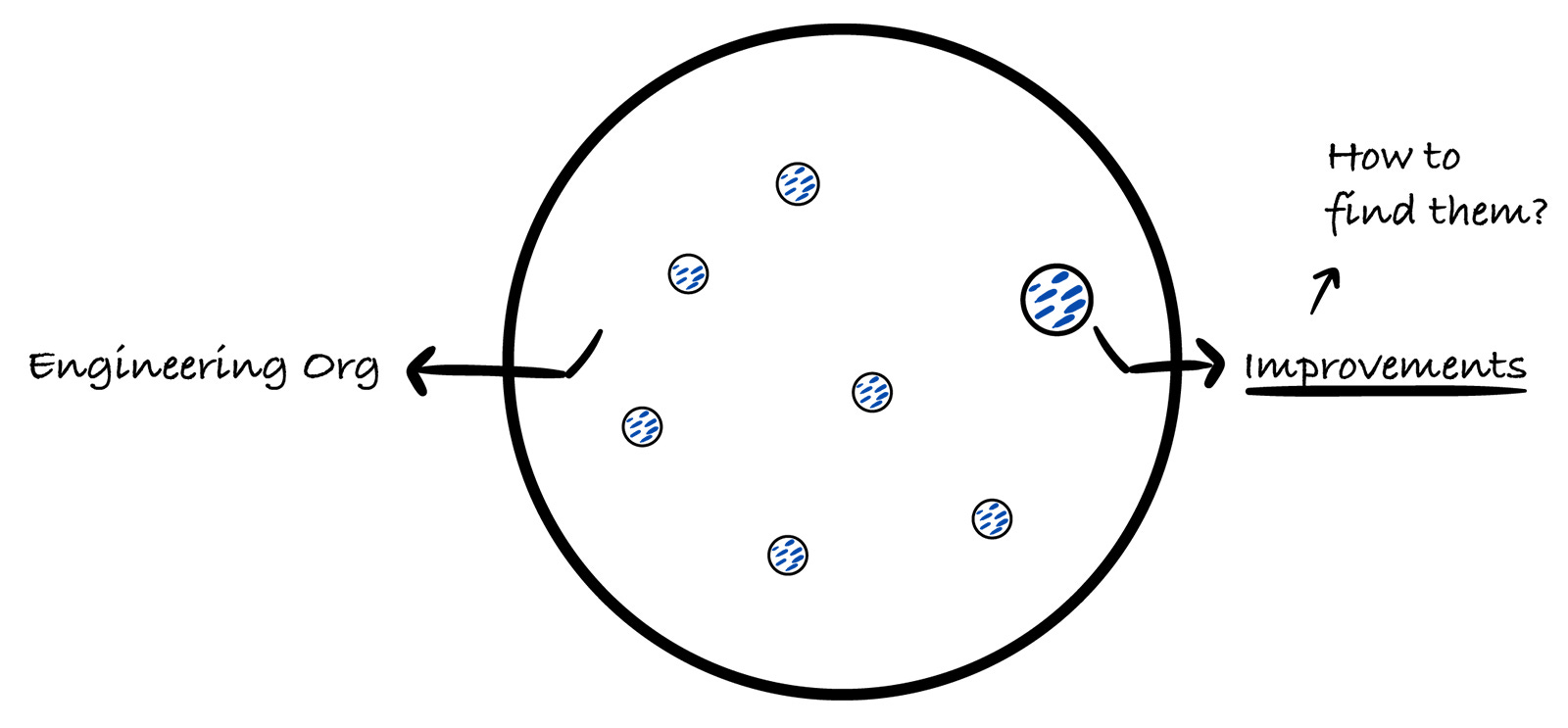
As a Fractional CTO and advisor, I get to be involved in many different parts of different organizations. One of the common things that I did a couple of times this year was an engineering organizational audit.
I use the same approach as I would use in the first 90 days if I were to start a new full-time engineering leadership role. Of course, it depends on what specific engineering leadership role would be and the expectations for the role.
In this article, I am sharing how I approach doing the audit, and I am also sharing a template and a full board of how I am doing it. You can potentially use it to do an engineering org audit yourself, or you can also use it when you start a new engineering leadership role. Works for both!
It’s applicable for everyone in the engineering leadership roles: Managers, Architects, and also Staff+ Engineers. To some extent, also Senior Engineers.
This is an article for paid subscribers, and here is the full index:
- The First Thing I do is to Really Understand the Pain Points
- Checklist For a Great Engineering Organization
- Board For a Great Engineering Organization
- The Second Thing That I do is Have 1:1s with The Relevant People
🔒 Following, I Go Through All the Relevant Parts of the Engineering Org
🔒 Hiring
🔒 Culture
🔒 Continuous Growth
🔒 Knowledge Sharing
🔒 Planning and Alignment
🔒 Onboarding Process
🔒 Release Process
🔒 Development Process
🔒 Incident Management Process
🔒 Security
🔒 Putting it All Together and Providing Suggestions for Improvements
🔒 Presenting the Findings
🔒 Last words
Let’s get started!
The First Thing I do is to Really Understand the Pain Points
That is the first thing I focus on when I talk with the CEO, founder, or another executive about the audit -> to really ensure that I understand what the key reasons, problems, and challenges are.
There may be several different things or one specific reason/problem. In some cases, they have secured new funding and would like to scale and focus on hiring. Another reason may be that the CTO has left the company, and they would like to do a good overview of the current org before making any decisions.
Depending on that answer, I focus the overall audit a bit more on that front, to ensure that I go over the most important things in detail.
Now, before we get into the details, there are two very important things I have prepared.
The first one is the Notion Template: Checklist for a Great Engineering Organization.
And the second one is the board, where I put in all of my notes, so I can visualize everything really well together.
I found out that having one big board is a lot easier to consume and understand, instead of having multiple pages of separate topics. I found that a Miro board works really well for this.
Paid subscribers can get both below.
Checklist For a Great Engineering Organization
This checklist helps me to ensure that I clearly know which things I am focusing on in the respective part of the engineering organization.
You can use the same checklist in your case as well. This checklist provides you with a guide on what you should focus on in order to create a great engineering organization where everyone can thrive.
It works for organizations with multiple teams or smaller organizations. You can also use this just for a specific team that is part of the bigger organization as well.
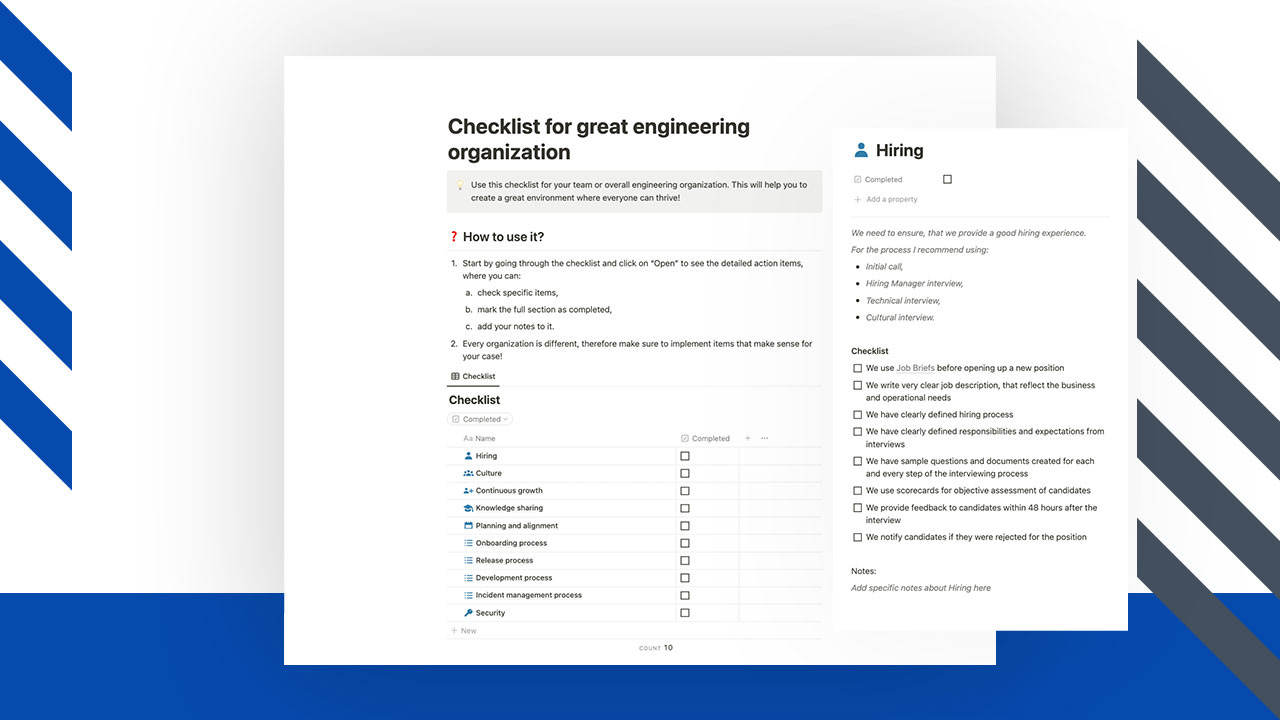
It’s a Notion Template, and paid subscribers, you can get it here: 🎁 Products for paid subscribers.
Board For a Great Engineering Organization
This board is done in Miro, it also contains the checklist, which is copied from Notion.
You can use this board if you do your own assessment of the engineering organization. I recommend doing that when you are starting a new role as an engineering leader.
Feel free to also customize it to your needs as well!
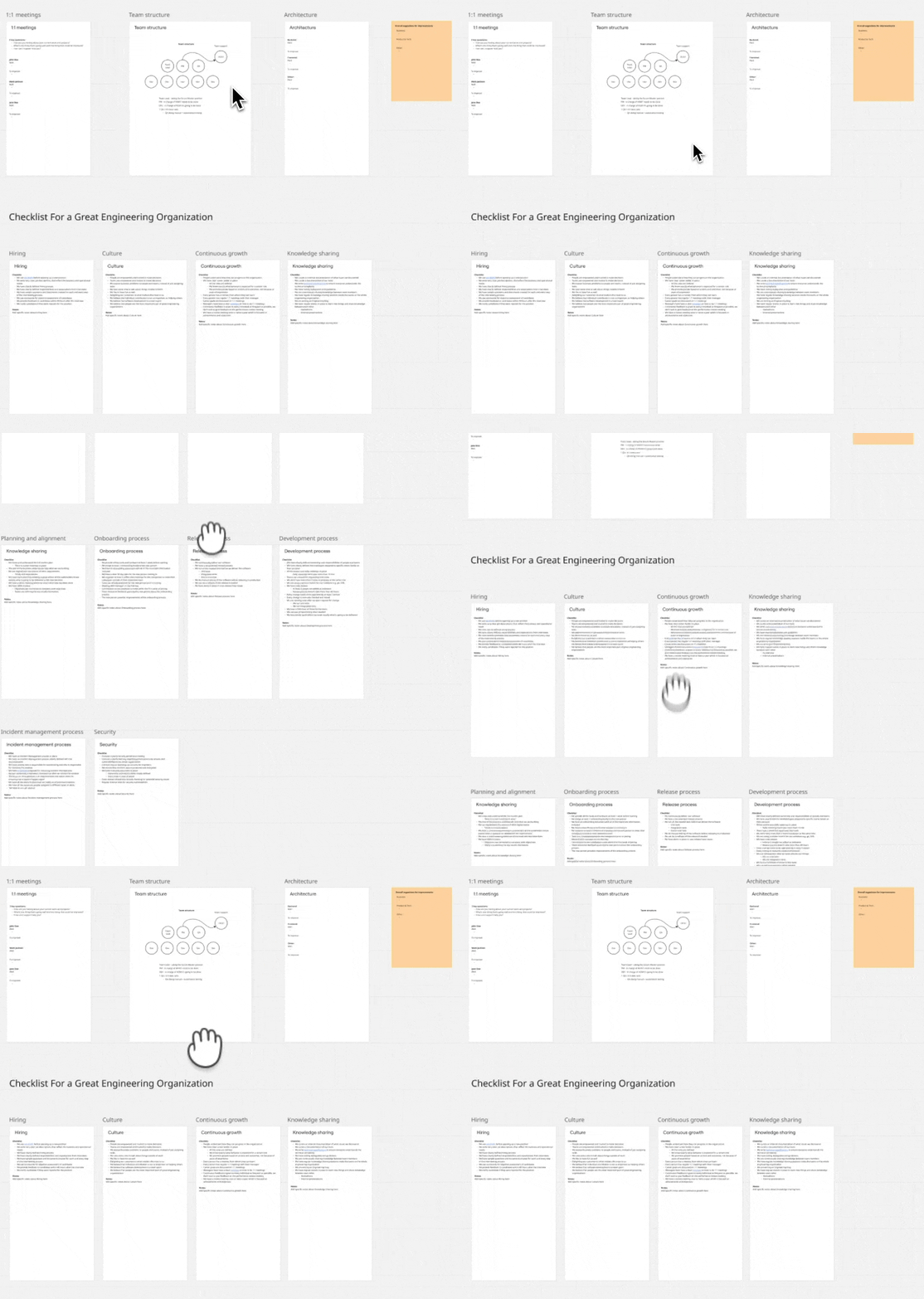
Paid subscribers, you can get it here: 🎁 Products for paid subscribers.
Now, let’s go to the second thing I do.
The Second Thing That I do is Have 1:1s with The Relevant People
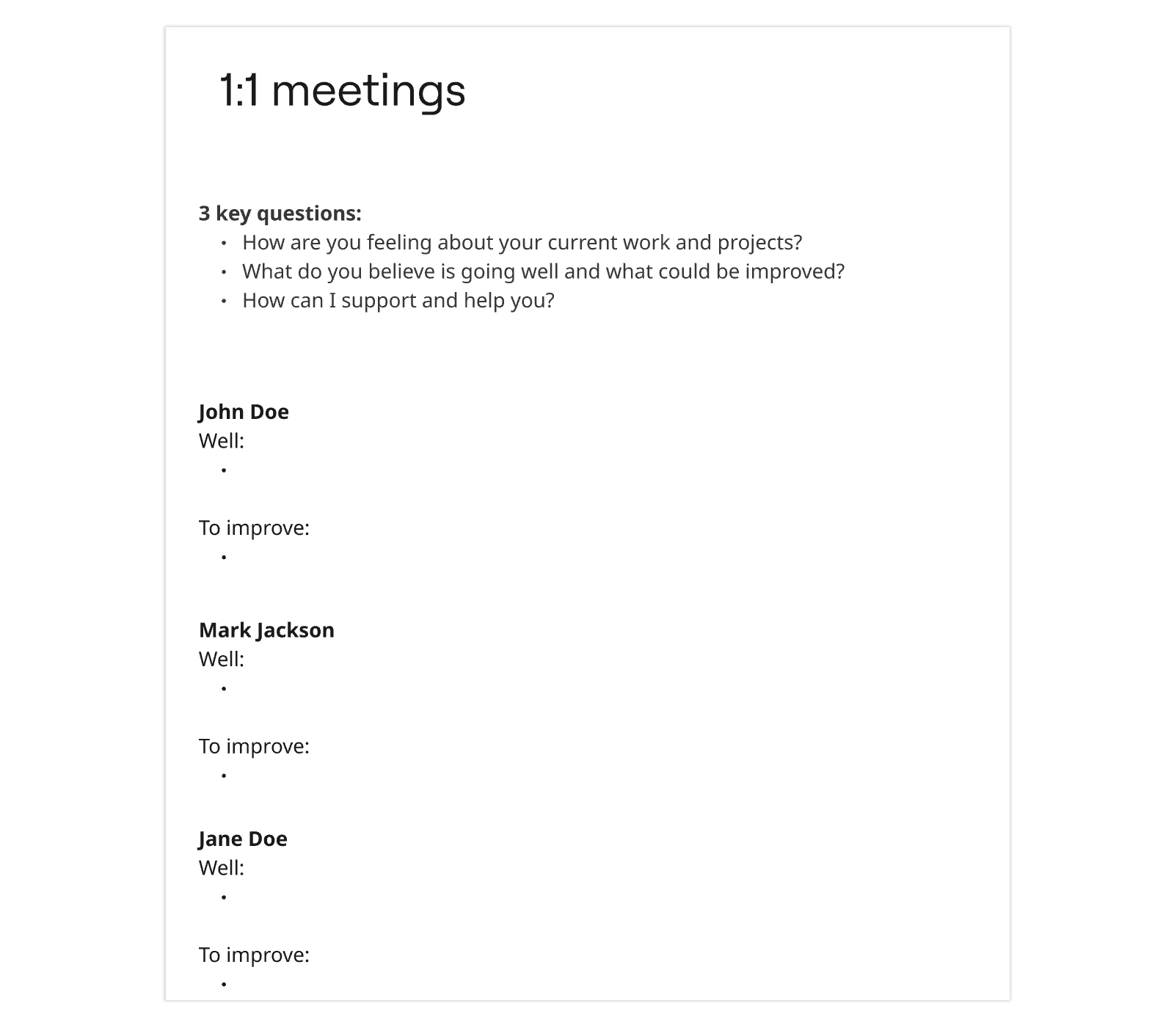
The 3 main questions I normally ask here are:
How are you feeling about your current work and projects?
What do you believe is going well and what could be improved?
How can I support and help you?
And then, of course some other questions depend on what specific thing I am focusing on, that may be hiring, process, architecture, etc.
I make all the notes from 1:1s in the board. This is the part of the board where I put all my notes in: