


Intro
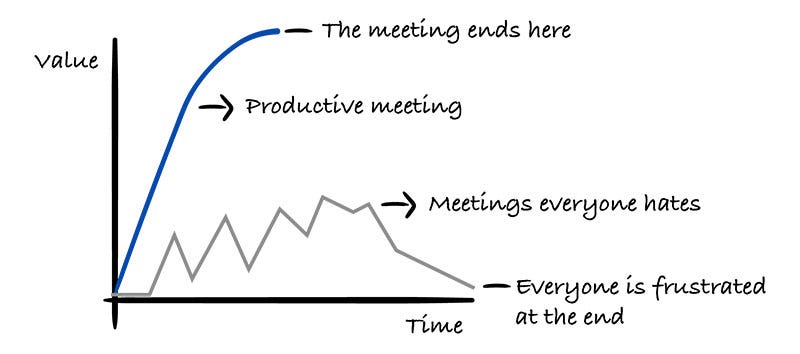
We all love the feeling of getting things done. Unfortunately, unproductive meetings are the exact opposite. Our energy is drained after such meetings.
I’ve been in countless meetings without a clear agenda, with too many people on the call and time has just passed without any useful outcome.
As a manager, one of my main goals is to make meetings as productive as possible. To value everyone's time and make them straight to the point.
To ensure we all know how to create such meetings, I am happy to team up with Michał Poczwardowski, experienced engineering manager, mentor and also a writer of Perspectiveship newsletter.
Michał is sharing tips on how to create meetings that engineers love attending.
Also, I had the pleasure of meeting Michał not so long ago at the Infoshare conference in Katowice, Poland. It’s awesome to meet fellow writers in person!
Let’s get straight into it, Michał over to you.
There are 2 things that frustrate engineers more than anything
The inability to reproduce a bug,
useless meetings and
off-by-one errors.
I’ll cover the meeting part today.
In my career, I led more than 1,500 one-on-ones and over 200 team meetings with engineers. While meetings often feel unnecessary, they are an important tool when done right.
Here's how to fix them.
Why engineers hate meetings - the bad
For managers, meetings are how we get through the day. We meet to hire people, get updates, create processes, etc.
For engineers, meetings are just an addition to their everyday coding.
However, unproductive meetings are the number one enemy of engineers:
Their focus gets derailed.
They need to be in a certain place at a certain time.
They are forced to listen to something that might not be relevant to them.
Why meetings are important - the good
Engineers may hate meetings, but we are social beings. We grew as a species because we talked to each other, we planned together and worked together. A caveman working alone wouldn't have survived for long.
Time has changed, so has the way we work, but what was essential to get work done is still there. We need other people to get things done.
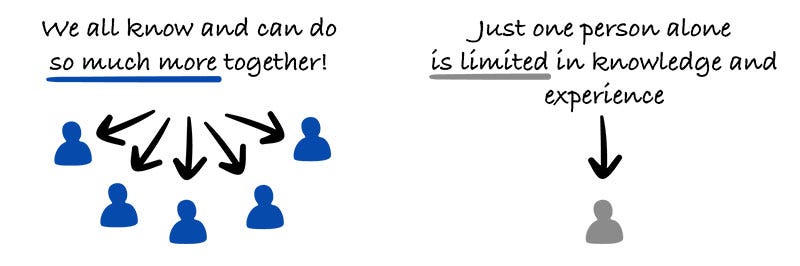
Meetings create a space where we can update each other and exchange ideas much faster than writing alone. They help us feel like part of the team, learn from each other, and use our combined brain power to solve problems.
As with any other aspect of our engineering culture, meetings should be a process which serves its purpose and is aligned with how engineers can be productive.
Meetings that your engineers will love attending
Following these steps will provide a good experience for engineers: