

Intro
One of the predictions for 2026 that I mentioned in the article Become a Great Engineering Leader in 2026 was that leadership skills would be more important than ever and would always be highly valued.
The reason is that more and more engineers are asked to own and lead projects, not just work based on completely defined requirements. As you know, using AI-assisted engineering, you can quickly get a good solution with AI if the requirements are really well defined and you add all the necessary context.
So, the trend that is especially being seen in startups is the following: each engineer is a combination of a product engineer and tech lead. Each owns the “why”, “what”, “when” and “how” and leading their own projects.
That’s exactly what we’ll be talking about today! How to be successful when starting to lead your own projects or leading a team.
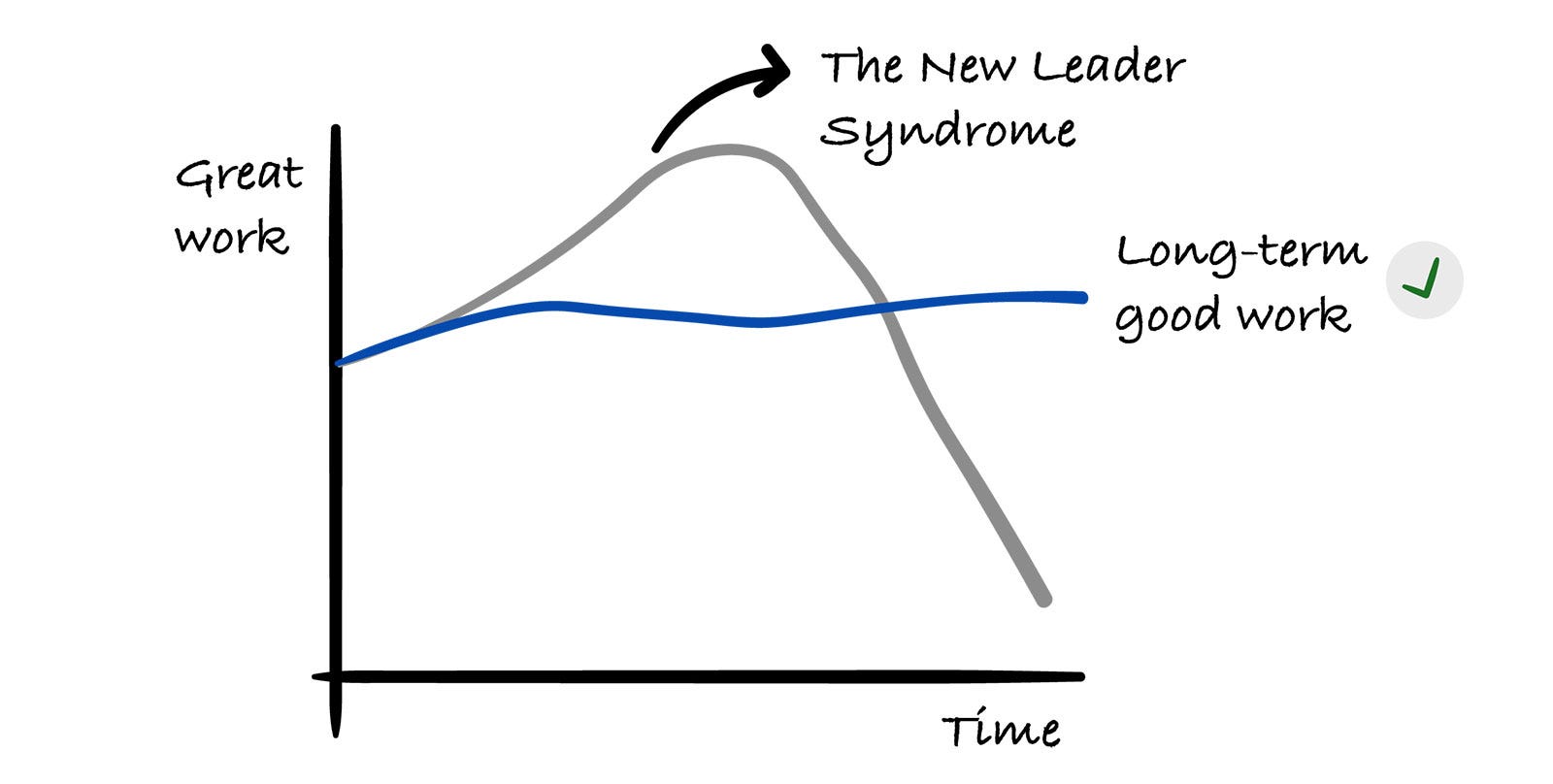
One thing is certain: try to avoid the New Leader Syndrome. I’ll tell you all about what this is and how I got bitten by it in my career. Then I’ll be sharing my top tips on what to do to successfully lead your first project or team.
This is an article for paid subscribers, and here is the full index:
- What Exactly Is a New Leader Syndrome?
- Why It’s So Important to Be Aware of the New Leader Syndrome?
- I Over-Engineered Leading My First Project
- I Tried To Be the Best Engineer and a Manager at the Same Time
🔒 This is My Advice When You First Start to Lead as an Engineer
🔒 My Advice When You First Start Leading a Project
🔒 🎁 Notion template: List of questions to ask before making a technical decision
🔒 🎁 Notion template: Technical specification
🔒 My Advice When You First Start Leading a Team
🔒 Last words
Let’s start!
What Exactly Is a New Leader Syndrome?
What I like to call a “New Leader Syndrome” is when you feel that you need to showcase an extraordinary amount of effort or competence to justify that you deserve to lead that project or team.
And for every individual, it shows up differently.
That may be working extra hours and staying a long time in the office to “show” everyone how great and committed you are.
While in reality, you might have not even been productive during that time at all, and you are more or less wasting your time, showing everyone “how much work you do”.
Trying to be the best at everything, while also leading the team.
Thinking that you need to be the best and the most knowledgeable person regarding every single thing to deserve to be a leader.
Always being available and quickly responding to every question.
Again, it’s because you feel that you need to show your commitment so that you deserve to have the position.
It’s also common for more experienced leaders as well, and it shows when they feel pressured to make quick, visible changes to prove their value.
I’ve seen this case especially when a new VP or a CTO gets hired at a company and does a full restructuring of the organization because “everything is bad and broken”.
Where in reality, everything has been done in a certain way for a reason. And that leader finds out the exact reason when it’s already too late, when the full restructuring is already in progress, half of the team has changed, and most of the morale has been lost.
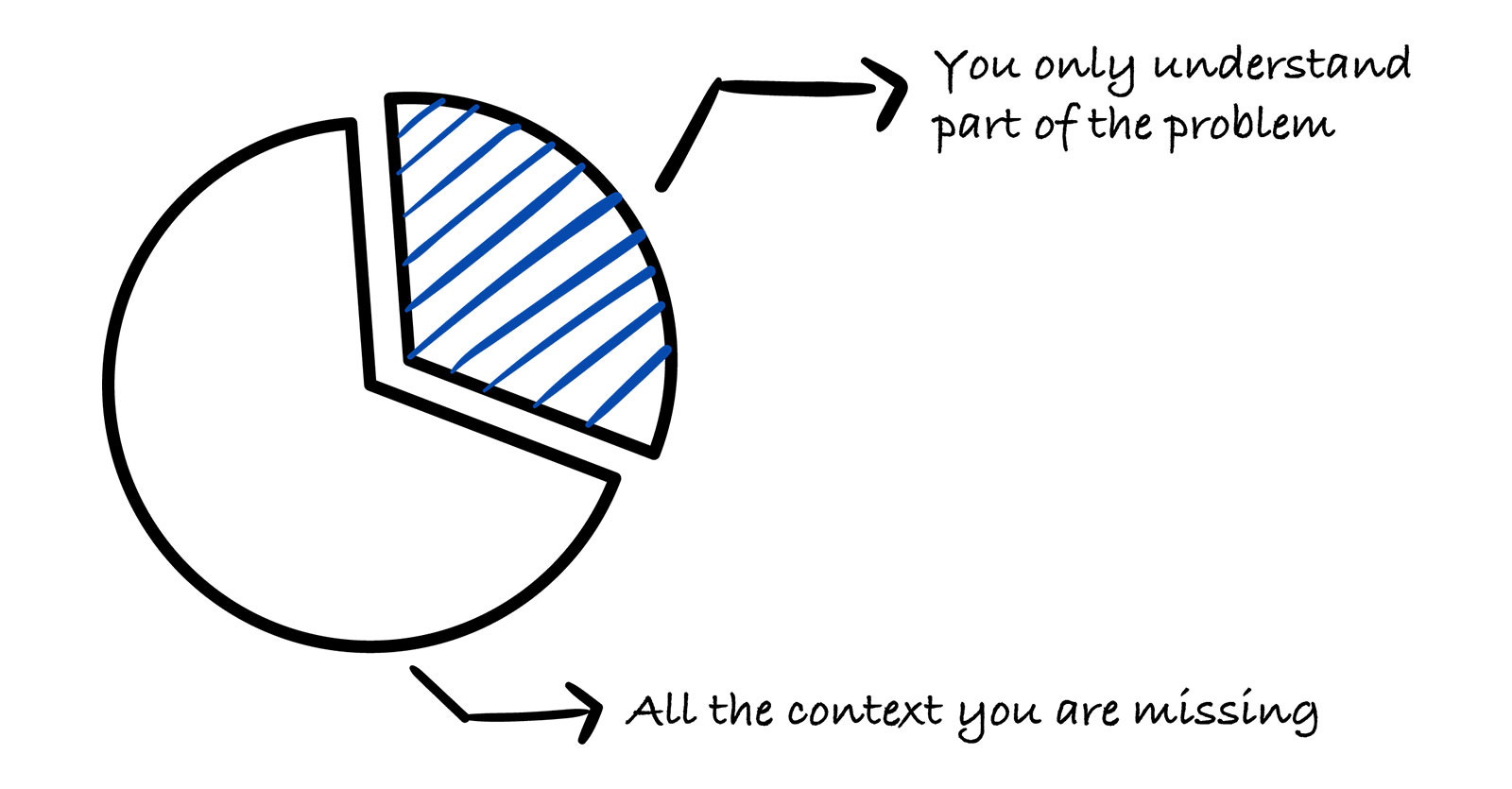
I’ve seen this happen quite a few times when I was an engineer and also growing as a manager. Seeing this happen and also needing to be a part of restructuring as a leader, even when I didn’t believe in it, made me promise to myself that as a VP or CTO, I’ll do my best to really understand the pain points before I start initiating a full reorganization.
These are some examples of how it looks and what the anti-patterns are. Now, let’s go to a very important point next.
Why It’s So Important to Be Aware of the New Leader Syndrome?
Now, the important thing to mention, especially for first-time leaders, is that it’s natural to put some extra work to learn and grow in your new position.
But the important thing is that you are aware of it and you are doing that intentionally, while still having control. This makes your work much more sustainable.
And as we all know, good work long-term is a lot better than short spikes of great work, which only leads you closer to burning out. And if you do burn out, it takes a long time to get back to normal.
If you are aware, you’ll have a much better rationale regarding your emotions and prepare for them a lot better.
And also most importantly:
A lot of people end up thinking that being a leader is not for them, while in reality, they resented the role, because they put a lot of effort into it, without necessarily getting the results they wanted.
That can happen if you are not aware of the New Leader Syndrome.
I believe that everyone can be a leader and lead in their own way. The stigma that you need to be a born leader in order to lead well is simply not true.
The key is to make it sustainable and not try to “put it all on the line”, as that may backfire if you don’t see the results.
I personally needed 3-4 months in a Team Lead role in order that things started looking better, while in that time I made SO many mistakes and spent working long hours both on weekdays and weekends as well.
Speaking about my experience, I had no idea that I was suffering from the New Leader Syndrome, so let me share the two mistakes I made as a first-time leader. Let’s start with leading the first project.
I Over-Engineered Leading My First Project
Looking back at when I first started leading my first project as an engineer, I can clearly see how I had a new leader syndrome and that I wanted to show everyone that I deserve to lead.
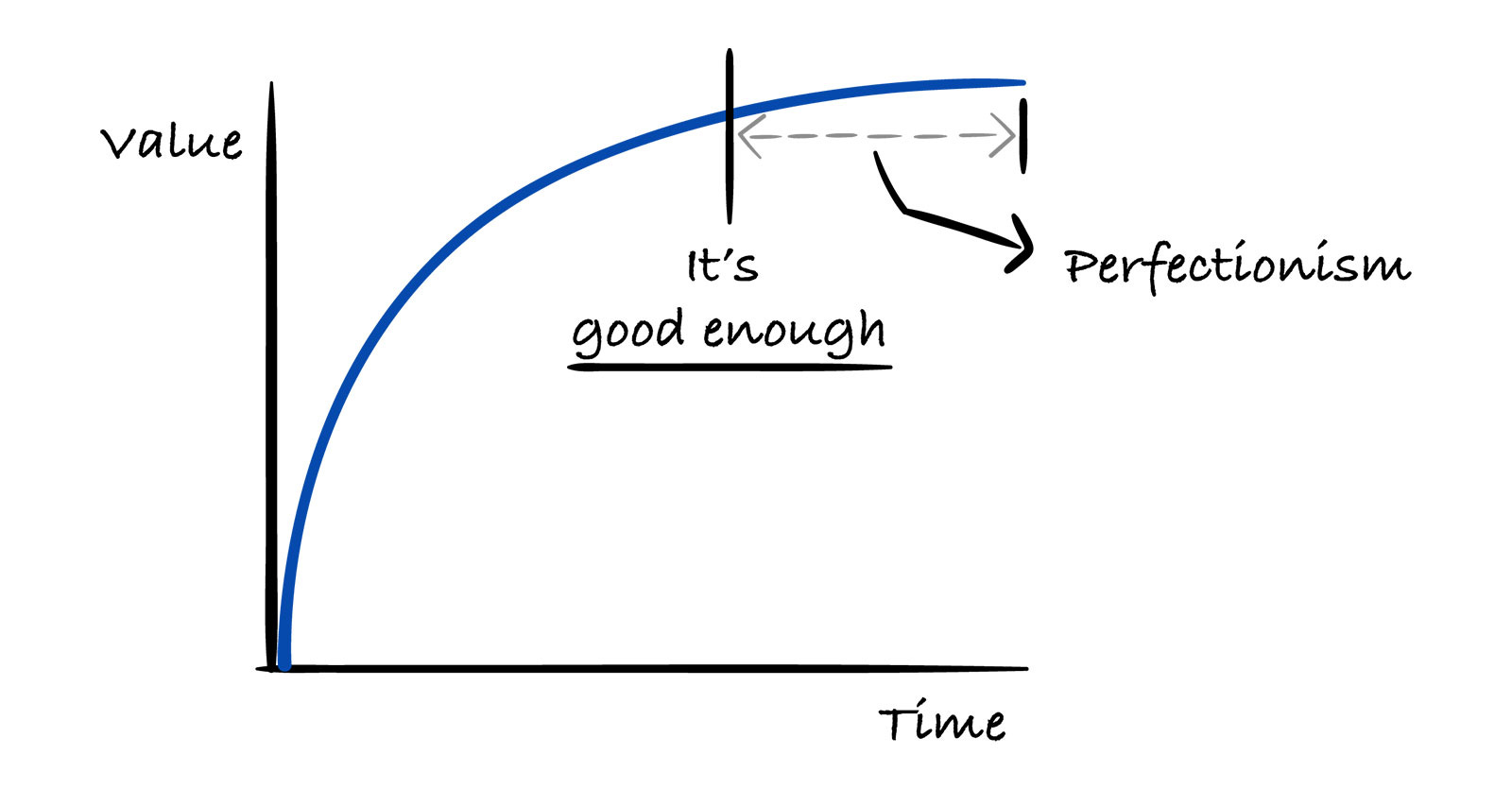
Perfectionism has been quite prominent, especially in the beginning of my career, and it has shown in many cases, some of the most prominent were:
designing “perfect” things
I spent so much time trying to make sure it’s “pixel perfect”: right colors, right fonts, right spacing, etc. I would make so much more progress if I would just be fine with it.
learning “perfectly” from tutorials
I wanted to always make sure that I finished every single tutorial 100%, plus with the mindset of “I shouldn’t miss any second of it”.
creating “perfect” code
I spent so much time refactoring functions, renaming variables, rethinking the approach, and overall, looking for ways to optimize it. It was my impostor syndrome telling me that I was not good enough to do this.
And it became even worse when I first started leading my first project. I would feel like I need to have a perfect plan and write perfect code before showing it to others.
That got me to the place where I spent long hours designing and refactoring, which caused a lot of stress at that time. So, I spent a long time working on it, both my time at work and also my time outside of work, and also over the weekends.
And what happened was that I spent creating a way over-engineered solution, which was hard to understand with a lot of unnecessary features.
Of course, this was a great lesson for me, and I learned from it that instead I should look for a good enough solution and try to get feedback on it as soon as possible to ensure that I am building the RIGHT solution.
Now, let me share the mistake I made when leading a team for the first time.
I Tried To Be the Best Engineer and a Manager at the Same Time
This is what I have already mentioned in the article From IC to Manager. When I first became a Team Lead, I tried to show everyone that I deserved it by trying to be the best engineer on the team, while also being a good manager.
I wanted to be in all of the details and even minor things all the time. And also make decisions about everything. This brought me to a place where I didn’t delegate enough, and I didn’t assign clear ownership and empower others.
I learned that this is not the way to go when I was close to burnout. Working long hours and having so many things on my mind.
Based on this experience, I knew I needed to make a change. I knew that I needed to delegate more and also empower people to make decisions themselves.
That’s when things started to look a lot better for me.
Now that we completely understand the issues that New Leader Syndrome can bring, let’s go to a very important part next. I’ll share my advice on what to do when you first start leading as an engineer.